
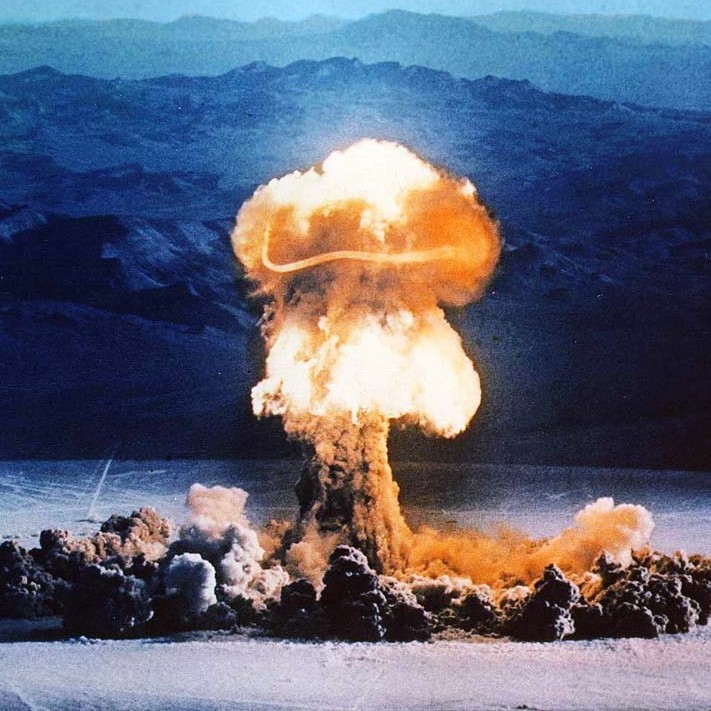
Everyone has some amount of apprehension about the future. Some people live for the future, almost forgetting today; some people give it a passing glance once in a while; and some people are downright paranoid about it, clinging to the here-and-now for all they’re worth. This sometimes comfortable, sometimes uneasy relationship with the future is why so many readers love—and I enjoy writing—a post-apocalyptic world.
By the very nature of the genre you can bet that things will get intense and that there will be no small stories. A dystopian government? A race for survival? Desperation at every turn? Zombies or some other plague? You can bet at least one of those will pop up in this genre. It’s the grand game of “What if…?” What if WWWIII broke out? What if bio weapons got out of hand and a deadly disease covered half the world? What if we made first contact with aliens while we were in quarantine? You can ask “What if…?” as many times as you want, and chances are, you’re still not going to go too far over the top.
But the post-apocalyptic setting is just the framework of the story. If you don’t have real, flesh-and-blood characters driving the story along—characters that learn and grow and feel—the story will succumb to its seemingly impossible circumstances. No one will be able to suspend their disbelief long enough to see the story through. One of my readers told me that Infraction scared her because she could see the future I created actually happening. However, if Terra and Jack and the other characters living through the story hadn’t felt real, then my reader wouldn’t have become invested in the story, and she wouldn’t have had that emotional response.
I enjoyed writing The Burn trilogy so much because it focuses on what good people do in the face of seemingly impossible circumstances. Crafting this world where the government tries to control its citizens to the point of privacy invasion, brainwashing, and forced loyalty is frightening because it touches the possible while still being just out there enough. But in the end, the characters drive the story. The story is believable because the characters populating it feel real. Good people who don’t do impossible things: no one single-handedly takes down the government or saves the world. But when the characters work together, then they find their strength. They’re good characters supporting each other through incredible circumstances, and I think that’s the most poignant story to tell. Because we’ve all been there, relying on our support network to help us through what seems impossible.
Adding the post-apocalyptic setting is just icing on the cake.
 Annie Oldham
Leave a comment